Ever seen a movie and thought you had it figured out until something happens and everything changes? Well, this might be hard to believe but it isn´t because Game of Thrones or Pulp Fiction…
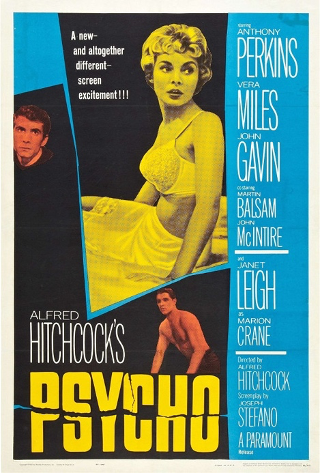
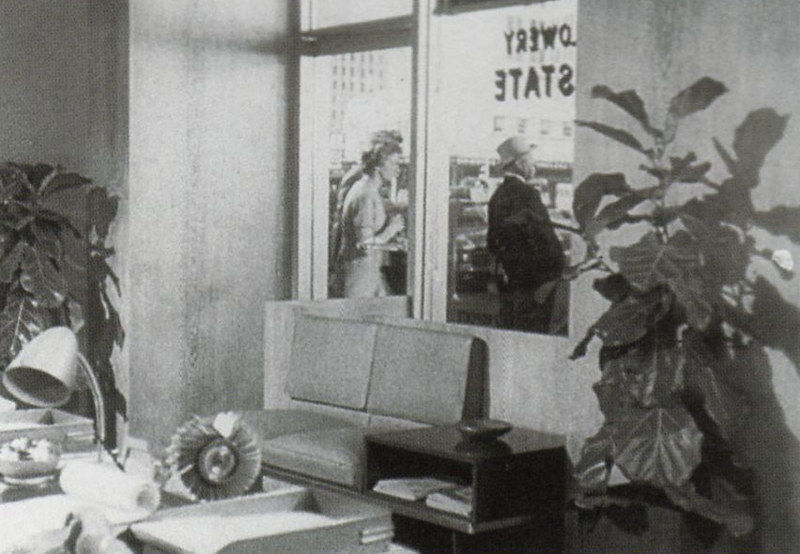
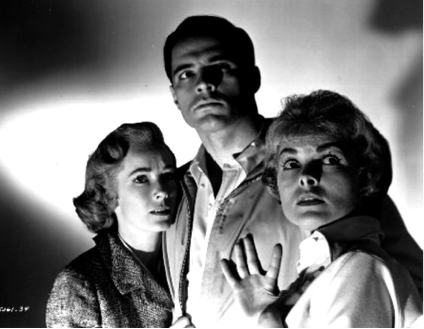
Nowadays plot twists exist because of Psycho, Alfred Hitchcock´s masterpiece that taught us: no character is safe and expectations are meant to be shattered. Before 1960, when this 2-hour movie was released, every film that came out had the same main characters, point of view, action line… everything was predictable! But when Marion Crane (Janet Leigh) steals money from her company, runs away to Motel Bates and gets brutally assassinated in the shower, cinema found what was missing, the fragmented structure. You don´t know what it is? I´m sure you have seen tons of movies or series where who you thought the main character was, dies and a secondary character takes over the main role. Lila’s and Marion’s story was the one that inspired them all… Because when her sister dies, Lila picks up the storytelling of the movie and starts investigating to find out what happened to her. Will she discover it? That I cannot tell, you should watch the movie and figure it out yourself… but what I can say is that the traditional narrative structure died with Marion in that shower.
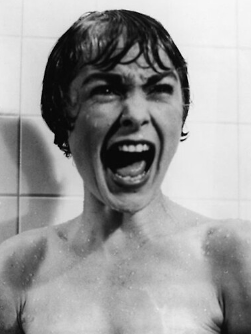
A lot of things happened in that shower...
The most popular scene in this movie is Marion’s murder in the shower, which it’s not just a moment of pure terror, it’s a masterclass in editing, pacing and sound design. With over 70 camera angles and the haunting screeches of Bernard Herrmann’s score, the thriller genre was redefined… Hitchcock proved that gore isn´t required to terrify an audience, all you need is “imagination and a sharp pair of scissors” (metaphorically speaking). This scene alone has inspired countless filmmakers such as John Carpenter (Halloween) or Jonathan Demme (Silence of lambs), to think outside the box, making it a cornerstone of cinematic history.
But... is this movie important just because of one murder scene?
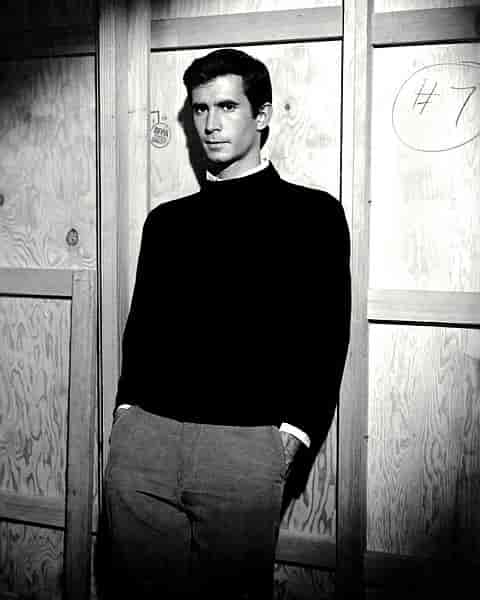
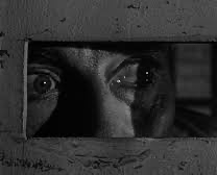
NO! Psycho also introduced a new kindof villain: the boy next door with a dark secret. Norman Bates (Anthony Perkins) wasn’t a typical monster because he was relatable, everyone empathizes with him at some point… and that’s what makes him more terrifying. And that’s it? You might be thinking… No, this Hitchcock´s film also challenged the Production Code (restriction guidelines in Hollywood) from its beginning by showing an unmarried couple in bed, nudity, a bathroom… Do you imagine in 1960 seeing a woman in a bra on the screen? Everyone was scandalized! This pushed the boundaries of what was acceptable, paving the way for more open expressions of sexuality and violence on screen.
Not convinced yet?
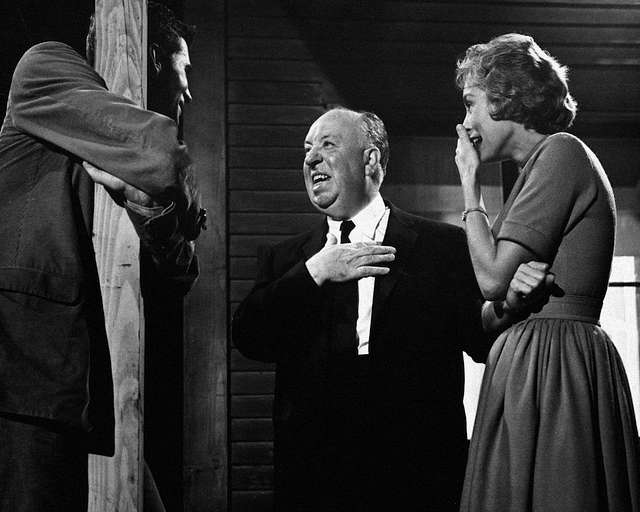
Psycho is more than a film… It broke conventions, challenged social norms, and forever changed the way stories are told on screen. Its influence can be seen in the psychological thrillers of today. Now I must tell you that this film taught me that cinema is not just about what you see, it’s about what you don’t see (the anticipation, the doubt of what might happen next…). Hitchcock was a master of suspense… Why you may ask? Well, not because he showed us horror, but because he showed us just enough to let our imaginations do the rest… If you haven’t seen it yet, go home and make popcorn right now! I urge you to watch it because Psycho is not just a movie, it’s a crafted experience that represents a crucial chapter in cinema´s history. (You will thank me later).
If you want to know more about Hitchcock´s cinema comment bellow and follow on my social media!